Formula 1 Betting Ads: How to Reach Younger Audiences
Over the past few years, Formula 1 has strongly changed. Today, it lives across social media, series, films, memes, and conversations around the drivers themselves. Formula 1 used to be a niche event reserved for engineers, loyal team fans, and people who would talk all day about the intricacies of tire strategy. That version of F1 still exists, but the current one goes far beyond its roots.
Today, Formula 1 is an exciting experience for young people – loud music, fast cars, and pop culture. Fans follow drivers on social media, watch paddock clips like reality TV, argue about team drama, and react to race weekends long before the lights go out. And all of that means that betting advertising for Formula 1 will have to change.
The sport isn’t only bringing more viewers. It’s bringing a different type of user. The generation of new fans is attracted by the world of Formula 1, not just as a motor racing competition. Fashion, celebrities, entertainment, and excitement – that is how young people discover F1. They don’t have knowledge of all the technical details. Still, these people know rivalry, stress, risks, pressure, and the danger of making a single mistake that costs a race or even a career.
That is why F1 betting in 2026 deserves more attention from advertisers working with sports betting offers and iGaming products. Today's audiences of the sport are proactive, interested in personalities, ready to bet on many more things than race results – and the Monaco Grand Prix coming on June 5-7 is the perfect opportunity to do that.
F1 Isn’t What It Used to Be
Still being all about speed and engineering, the modern-day F1 has been rebranded due to its consumption format that has shifted from the sport into entertainment. The whole paddock environment became a part of the show:
-
Driver communications get transformed into entertaining video snippets.
-
Team dynamics transform into interesting content.
-
One error during the qualification process gets to trend on social media even before the actual race is scheduled to take place.
For advertisers, this changes the value of the sport. F1 is no longer a narrow niche with one predictable fan profile. Now, it brings together traditional motorsport fans, younger mobile-first users, casual viewers, celebrity followers, and people who enjoy the drama around the grid as much as the race itself.
This is the core of the Formula 1 new audience. People don’t have to support one team for ten years before placing their first bet. Some follow certain drivers, others discover F1 after watching a relevant documentary or movie, and many are introduced to F1 through a meme or an unexpected celebrity appearance.
That creates a new traffic layer for betting advertisers. The user may not be ready for complex technical markets at first, but responds to clear, simple angles: fastest qualifier, podium finish, top rookie, head-to-head driver battle, safety car, or Monaco winner.
Nowadays, entering F1 is much easier than it was previously – the same applies to becoming a bettor, too.
What changed the audience: Netflix, Hollywood, and the new face of racing
The shift didn’t happen by accident. Liberty Media changed the way Formula 1 spoke to fans. The sport became more open to digital platforms, short-form content, behind-the-scenes access, and media storytelling. Then Netflix took that strategy and made it global.
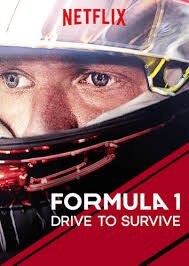
“Drive to Survive” gave millions of people a new way to understand F1. It didn’t start with engine maps or aerodynamic upgrades. That's all about people: drivers under pressure, team principals fighting for results, young talent trying to survive, and established names defending their place. The Drive to Survive effect made F1 easier to watch because it turned the sport into a story.
This is important from betters’ point of view. The person who gets to know the story about the race cares about its result. They will know the significance of the battle between the drivers and why a result achieved by their favorite racing team is personally important to them.

source: https://www.soyuz.ru/news/35156
Hollywood is now adding another layer. With Apple’s F1 movie featuring Brad Pitt, Hollywood introduced the sport to cinema and later to discussions on streaming sites. The film has been another gateway to the racing world for many non-fans – they view it not as a movie but as something that makes motorsports look big and cinematic.
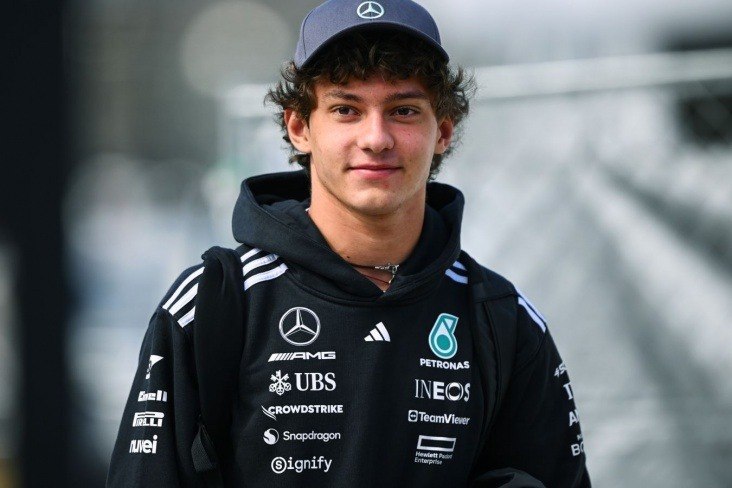
This season makes the shift even easier to see. Mercedes is back in the spotlight after several difficult years, and Kimi Antonelli has become one of the main faces of the new Formula 1. He is young, fast, and easy to follow – the kind of driver that fits a generation watching sports through short videos, memes, and personal stories.
Antonelli’s story is literally made for Gen Z. He signed with Mercedes and became a Formula 1 driver before getting a category B driving license. This season, he has also started winning and quickly moved from “promising rookie” to one of the main names of the championship.
For advertisers, this is an important signal. Younger users often react less to the team and more to the driver. That is why personality-led betting angles can work faster and feel clearer. “Can Antonelli take pole?” is easier to understand than a long explanation of team strategy. “Podium today” or “head-to-head with teammate” are short messages that make sense even to users who don’t know F1 deeply.
Formula 1 is becoming a sport where cars, teams, and lap times are no longer the only things that matter. Faces, stories, and conflicts now travel fast across social media. For betting advertisers, that means more entry points for a campaign.
New Audience Brings New Bettors
The next layer is simple: a younger audience brings new betting behavior.
New F1 fans often come from social platforms. They are used to fast updates, short clips, and emotional reactions. They can even visit a bookmaker's site because of their driver’s popularity during qualification sessions or due to a heated team radio exchange.
This is where sports betting iGaming advertising campaigns should avoid traditional “winner takes all” type offers. F1 has plenty of little elements that may make betting on specific aspects happen. Those include qualifying race, fastest lap, podium placement, driver duel, best finishing team, constructor points, first lap action, safety car, and real-time odds generation.
Younger fans respond similarly, where they might back a driver due to following them on social media, enjoying their interviews, or feeling like they know who the driver is. This represents a huge departure from the older style of betting that was focused on team histories and form.
For advertisers, It’s not necessary to make every fan an expert of F1. Instead, you should ensure that the offer is clear – this means avoiding complicated race angles and staying as close to the present as possible. Finally, your landing page should match the race or driver you mentioned in your ad.
If you already work with iGaming traffic, this is a good time to refresh your approach! EVADAV recently explained what changed in the vertical in iGaming Ads in 2026. F1 is a perfect example of why speed, targeting, and clean funnels matter more than ever.
Monaco: Why It Works Especially Well
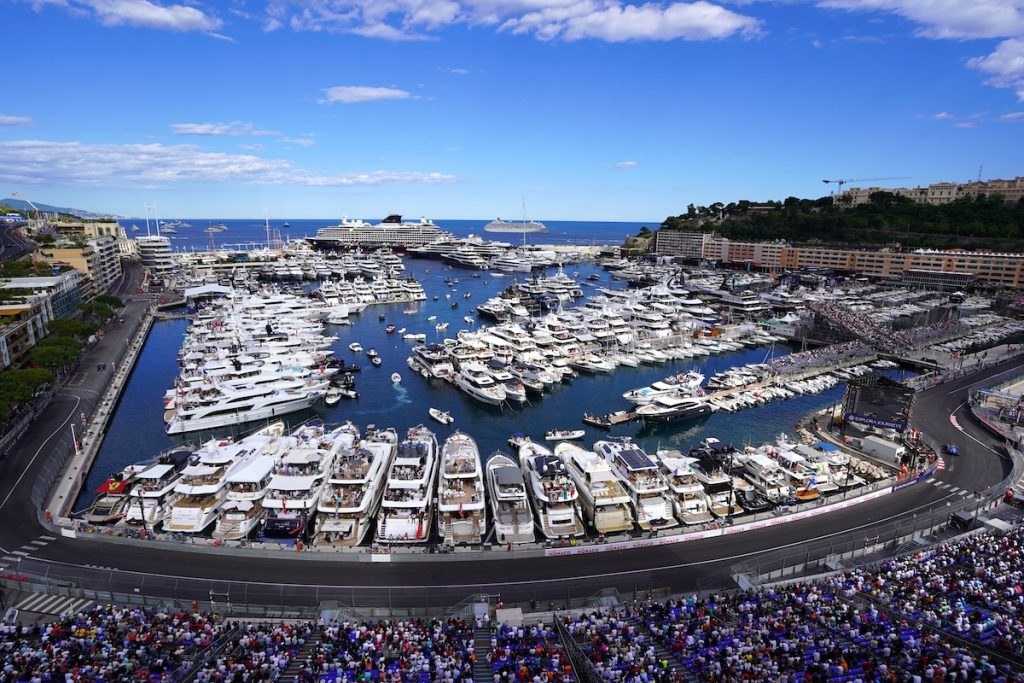
Source: https://gpdestinations.com/monaco-f1-travel-guide/
The Monaco Grand Prix has long gone beyond a regular race weekend – it’s one of those rare events that even new fans can appreciate. Tiny roads, fancy boats, celebrities, tight corners, and almost no room for mistakes – that’s what makes this grand prix feel like a premium event.
For Monaco Grand Prix betting, that is a major advantage. The event already has a strong identity – you don’t need to explain why it matters, the track does it for you.
Monaco also produces unique bettor behavior patterns. Qualifying is more important than usual because overtaking is hard – a small mistake can destroy the weekend. Strategy can be shaped by traffic, safety cars, and timing, and this gives advertisers more angles than a simple “who wins the race” message.
The 2026 Monaco Grand Prix takes place on June 5-7, giving advertisers a clear date to plan campaigns around. But Monaco’s value is not only about timing. It is one of the oldest and most recognizable races in Formula 1: the first Grand Prix here was held back in 1929, and the track still runs through the streets of Monte Carlo.
The race is short and extremely demanding, with a lap length of around 3.3 km. It runs for 78 laps, with narrow corners and walls so close that there is almost no room for mistakes. Overtaking is difficult, which makes qualifying one of the key moments of the weekend.
Interest in Monaco starts building long before Sunday’s race. Practice sessions, qualifying predictions, driver interviews, team updates, and pre-race content all help warm up attention in advance. For advertisers, this is a perfect setup: you can test campaigns before the weekend, increase activity before qualifying, and move the strongest combinations into race-day traffic.
The visual appeal also matters. Monaco is a street circuit surrounded by yachts, hotels, and balconies. For creatives, this race gives more than a regular sports hook: speed, risk, premium atmosphere, and an image that even people who don’t follow the full season can recognize.
For a race like Monaco, launch windows matter. Start testing several days before the weekend, push harder around qualifying, and then move the strongest combinations into race-day traffic.
EVADAV has already covered how to work with big sports events in the article CPA Marketing Sports Events. The same logic works here: prepare early, test fast, adjust while the event is still alive.
Bookmakers to Check for F1 Betting Offers
Here are some bookmaker brands to check for F1 and Monaco-related offers:
-
Bet365 – strong F1 coverage, race odds, championship markets, and in-play betting
-
Bwin – useful for detailed F1 markets: fastest qualifier, fastest lap, podium, top 6, top 10, and first retirement
-
DraftKings – relevant for US traffic and regulated states, with Monaco markets such as winner, podium, and top 10 finish
-
William Hill – a solid option for European betting traffic and classic motorsport markets
-
Ladbrokes — strong for UK audiences and race-week betting campaigns
Before launch, check GEO restrictions, licensing, available payment models, and the exact F1 markets offered by each bookmaker. For Monaco, the best results usually come when the offer, GEO, creative, and landing page are tied to the same race moment.
Top GEOs by Betting Audience Activity
Here are some recommendations from EVADAV’s experts:
-
The United States should definitely be on your list. F1 has grown fast there, and the mix of Netflix, Miami, Las Vegas, Austin, celebrity attention, and the Brad Pitt movie has made the sport feel more familiar to mainstream users. This GEO is strong for mobile traffic, entertainment-led angles, and simple betting offers around race weekends.
-
The United Kingdom is still one of the best markets for F1. It has a rich motorsport history, extensive media attention, and an experienced gambling audience. Here, users will perform well on driver rivalries, qualifying events, and other odds-related creatives.
-
The Netherlands is important because of Max Verstappen and the powerful national connection around F1. Even when race dynamics change, Dutch users remain highly engaged. This GEO can work well with driver-focused angles and race-day urgency.
-
Brazil has a long emotional connection with Formula 1. The country loves their races passionately and the younger generation can contribute towards generating more interest for the sport through social networking sites and by following their favorite racers.
-
Germany has a mature sports audience and a long history with motorsport. This market can respond to more structured betting messages: qualifying, podium finish, constructor performance, and head-to-head markets.
-
Italy is especially interesting in 2026. Ferrari still carries huge cultural weight, and Antonelli gives Italian fans a young driver to follow closely. This is where personality-led and national pride angles can work together.
There are also new markets where F1 is less present. Southeast Asia, parts of Latin America, and mobile-first regions can become more active when the sport reaches users through entertainment and social media rather than classic sports content.
If you want to compare broader iGaming scaling opportunities, EVADAV has a separate guide on top countries for iGaming traffic in 2026.
The main point is quite simple: don’t treat F1 as one global audience. A UK bettor, a Dutch Verstappen fan, a young Italian Antonelli supporter, and a new American viewer from Netflix may all react to the same race for different reasons.
Formats and Timing
For F1, timing is almost as important as the offer. There are specific times during the racing weekend, such as practices, qualifying, before the race, the race start, the race itself, and the race aftermath, and each one requires a different message.
EVADAV advertisers can work with several formats – Popunder, In-page, Push, Native – but they should be used with a clear role.
Popunder is useful for volume and early testing. It helps advertisers check GEOs, offers, and landing pages before the weekend reaches its peak. Popunder works best with simple pages that show the race, the offer, and the action without extra steps.
Another strong option to consider is In-page. It's great when it comes to reaching young mobile users. This form of advertising grabs the attention of consumers at the moment when they are surfing the net, reading news, or even watching their favorite race.
Push works when the message has urgency. An example could be sending a reminder just before the user qualifies, a race day bonus, or when markets are live. Push messages should be concise, compelling, and relevant to a race trigger.
Native is good for users who need more context. It can work with race previews, driver stories, Monaco predictions, and betting guides. Native is especially useful before the weekend, when users are still reading and comparing opinions.
Monaco is a premium event, so traffic can become expensive fast – early testing helps avoid blind spending when competition rises.
Need help choosing the right format mix? Contact your EVADAV manager – human support still matters when campaign timing changes quickly. We covered this trend in this article.
Launch F1 Betting Campaigns With EVADAV Ad Network
Formula 1 is becoming a youth sport, and this is great news for betting advertising. The sport now brings together classic racing fans, mobile-first people, Netflix watchers, celebrity following spectators and teenage celebrities’ followers.
This new audience creates more ways to launch betting campaigns. It also changes how advertising campaigns should be built – the message should be fast, clear, and connected to the race moment; the offer – easy to understand.
EVADAV Ad Network helps advertisers work with F1 traffic through flexible ad formats, strong traffic volumes, and dedicated manager support. You can test Popunder, In-page, Push, and Native, compare GEOs, adjust creatives, and scale when the numbers are clear.
F1 is no longer only about cars and lap times. It is about stories, personalities, tension, and a young global audience that reacts fast.